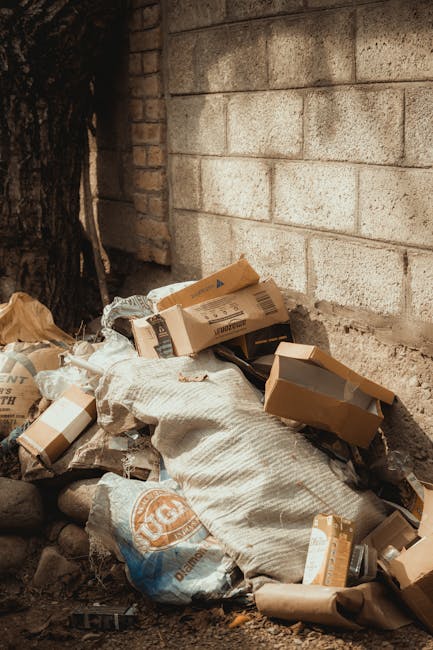
Muswell Hill rubbish collection guide for Broadway and N10

If you live, work, or manage a property around Muswell Hill Broadway or anywhere in N10, rubbish has a way of becoming urgent at the least convenient moment. A hallway fills up after a clear-out, bags start crowding a front step, or bulky items sit there waiting for "later" that never quite arrives. This Muswell Hill rubbish collection guide for Broadway and N10 brings the process down to earth: what usually needs collecting, how local collection arrangements tend to work, what to do before booking, and how to avoid the common headaches that slow everything down.
Whether you're dealing with a single awkward sofa, end-of-tenancy waste, office clutter, or the after-effects of a big declutter, the aim is the same: get things removed safely, legally, and without turning your day into a saga. To be fair, rubbish clearance should be straightforward. In real life, though, a bit of planning saves a lot of lifting, calling around, and last-minute stress.
This guide is written for the kind of real situations people actually face in N10: tight front gardens, stairs that always seem steeper on collection day, parking that disappears just when a van arrives, and mixed waste that needs sorting before anyone can take it away. You'll also find practical pointers on pricing, compliance, recycling, and how to choose a reliable local service if you decide you need one.
For readers who want to compare service details early, it can help to check pricing and quote information and the company's recycling and sustainability approach before you go any further.
Table of Contents
- Why Muswell Hill rubbish collection guide for Broadway and N10 Matters
- How Muswell Hill rubbish collection guide for Broadway and N10 Works
- Key Benefits and Practical Advantages
- Who This Is For and When It Makes Sense
- Step-by-Step Guidance
- Expert Tips for Better Results
- Common Mistakes to Avoid
- Tools, Resources and Recommendations
- Law, Compliance, Standards, or Best Practice
- Options, Methods, or Comparison Table
- Case Study or Real-World Example
- Practical Checklist
- Conclusion
- Frequently Asked Questions
Why Muswell Hill rubbish collection guide for Broadway and N10 Matters
Broadway in Muswell Hill is a busy strip, and N10 includes a mix of Victorian terraces, flats, maisonettes, family homes, and small businesses. That variety matters. Waste that looks simple from the outside can become fiddly once you account for access, traffic, neighbours, storage space, and what kind of material is actually sitting there.
A good rubbish collection guide matters because the wrong approach creates avoidable problems: missed council limitations, overloaded bins, fly-tipping risk, damage to common areas, or a collection booked before the waste is ready. People often think the hardest part is lifting the items. Quite often it's the planning around them.
There's also the practical side of timing. In a place like Muswell Hill, the day can get away from you quickly. School runs, deliveries, parking pressure, and narrow frontages all make a simple collection more complicated than it ought to be. A structured approach helps you stay calm and keep things moving.
Key point: the best collection plan is the one that matches the type of waste, the access on your street, and how quickly you need the space back.
If you are comparing providers, it is also worth reading practical company information such as the health and safety policy and insurance and safety details. Those pages tell you a lot about how seriously a firm takes the job before a van even arrives.
How Muswell Hill rubbish collection guide for Broadway and N10 Works
In simple terms, rubbish collection in this part of North London usually follows one of three routes: council-led collection, private rubbish removal, or a mixed approach where you sort some materials yourself and arrange collection for the rest. Which one makes sense depends on volume, item type, urgency, and whether the waste can be handled safely from your property.
For everyday household waste, the local authority's household waste collection service may handle regular bins and certain scheduled collections. But once you get into bulky furniture, renovation debris, garden waste, or a full property clear-out, that is where specialist removal or a dedicated clearance service tends to be more practical.
Private rubbish collection services usually work like this:
- You describe the waste and share photos if needed.
- The provider estimates the load, access, and likely labour involved.
- A time slot is arranged, sometimes same day if availability allows.
- The team removes the items, sorts recyclable material where possible, and leaves the area tidy.
- You receive confirmation of the job, plus any relevant receipt or paperwork.
That sounds simple, and often it is. But the useful detail is in the prep. If the waste is mixed, wet, sharp, heavy, or in a basement or top-floor flat, the job can take longer and cost more. In other words, the collection method has to fit the reality on the ground, not just the photo you took in a rush at 8:15 in the morning.
Some customers also ask whether collection can be arranged alongside other property services. The answer is often yes, provided the provider is set up for it. If you need a broader property tidy-up or house clearance, the homepage at House Clearance Muswell Hill can be a useful place to start.
Key Benefits and Practical Advantages
The main benefit of a well-planned rubbish collection is not just getting rid of unwanted items. It is getting your space back without the usual friction. That can mean being able to use a spare room again, clearing a hallway for safe access, or restoring a shop back room that had quietly become a dumping ground. Happens more often than people admit.
Here are the benefits most people notice straight away:
- Less stress: one clear plan beats a week of half-finished sorting.
- Faster turnaround: booked collections usually remove waste in one visit.
- Safer access: no unstable piles in shared corridors or garden paths.
- Better recycling outcomes: recoverable materials can be separated more effectively.
- Cleaner presentation: especially useful for landlords, agents, and sellers.
- Reduced fly-tipping risk: rubbish is less likely to sit outside waiting for "tomorrow."
There is also a less obvious advantage: decision clarity. Once you know what is being collected, who is handling it, and when, the job stops hovering over you. That mental relief matters. It's not dramatic, but it's real.
For people who care about environmentally responsible disposal, a provider's recycling and sustainability policy can be a useful indicator of how items are likely to be handled after collection.
Who This Is For and When It Makes Sense
This guide is useful for anyone in or around Muswell Hill Broadway, Fortis Green, and the wider N10 area who has more waste than a normal bin day can handle. That includes homeowners, tenants, landlords, letting agents, shop owners, office managers, tradespeople, and families dealing with a clear-out after a move or bereavement.
It makes particular sense when you are dealing with any of the following:
- bulky furniture such as sofas, wardrobes, and mattresses
- garage, loft, shed, or basement clutter
- end-of-tenancy rubbish and abandoned items
- garden waste after pruning or landscaping
- light construction debris from refurbishment
- mixed household junk that needs sorting before removal
- commercial waste that cannot just sit at the back of the premises
A realistic example: a family clears a loft over a weekend and ends up with broken toys, old luggage, two chairs, and bags of paper that have lived up there since the early 2000s. The items are not "a bit of rubbish" anymore. They are a load that needs proper handling, decent access, and someone who knows what can be reused, recycled, or disposed of correctly.
Sometimes you are not after a full clearance at all. You just want a single collection to stop the clutter spreading. That is perfectly normal. Honestly, most people start there.
Step-by-Step Guidance
If you want the smoothest possible rubbish collection in Broadway or the wider N10 area, follow a simple, methodical process. It does not need to be fancy. It just needs to be done in the right order.
- Identify the waste type. Separate general rubbish, bulky items, garden waste, WEEE/electricals, and anything potentially hazardous.
- Estimate volume. A few bags, a van load, or something closer to a partial house clearance? The difference matters.
- Check access. Think stairs, parking, distance from the property, key collection, and whether a lift is involved.
- Photograph the items. Good photos help the provider judge load size and handling requirements more accurately.
- Confirm timing. Morning slots can be useful in busy areas, especially if parking is easier earlier in the day.
- Ask what happens to the waste. A responsible provider should be able to explain reuse, recycling, and disposal routes in plain English.
- Prepare the area. Move pets, clear a path, and keep anything you are not removing separate and clearly marked.
- Review the quote. Make sure you understand whether labour, sorting, disposal, and access issues are included.
A small but useful tip: if you have several types of waste, group them into visible categories before the collection day. It makes the load easier to assess and helps the team work faster. Not always essential, but it helps.
If you need to check what it may cost before going ahead, the pricing and quotes page is a sensible next stop.
Expert Tips for Better Results
After plenty of real-world collections, a few habits consistently make the job easier. None of them are complicated, and that is kind of the point.
1. Be honest about the volume
People often underestimate the amount of waste. A small pile in a hallway can become a much bigger job once it is sorted and loaded. If in doubt, overestimate slightly. It is better to have a quote based on the real load than to scramble for another visit later.
2. Separate hazardous or awkward items early
Paint tins, batteries, chemicals, sharps, and certain electrical items may need different handling. Don't tuck them away and forget them. Mention them early so there are no surprises on the day.
3. Think about parking before the team arrives
In Muswell Hill, parking can be the thing that turns a tidy job into a slow one. If there is no easy loading space, tell the provider in advance. A ten-minute walk with heavy items is not the end of the world, but it changes the job.
4. Keep keepable items completely separate
This sounds obvious, but it is easy to get wrong in a rush. Once the removal starts, mixed piles can lead to accidental disposal of things you meant to keep. Old photos and chargers have a habit of hiding in plain sight.
5. Ask about disposal standards, not just removal speed
Fast is good. Responsible is better. A service should be able to talk clearly about how items are sorted and where possible, diverted from landfill. A little curiosity here is healthy.
Expert summary: the best rubbish collection in N10 is rarely the cheapest or the quickest on paper. It is the one that understands the access, handles waste safely, and leaves you with a clear space and no loose ends.
For additional reassurance about how a provider handles secure transactions and customer data, you can review payment and security information. It sounds dull, but it matters.
Common Mistakes to Avoid
Most rubbish collection problems are avoidable. The trouble is, people only find that out after the fact. A few common mistakes come up again and again.
- Leaving everything until the last minute. Rushed jobs lead to missed details and poor access.
- Mixing restricted items with general waste. This can delay collection or require a revised plan.
- Assuming every provider includes the same service. They don't. Labour, loading, and disposal rules vary.
- Forgetting about stairs, parking, or shared entrances. These practical details matter more than people think.
- Not asking where waste goes. A proper answer should be straightforward, not vague.
- Blocking access for neighbours or businesses. In a busy area, that creates avoidable friction.
One very human mistake is the "I'll sort that after work" approach. Fair enough, we all do it. But clutter has momentum. By the time the bags multiply and the box pile starts leaning, it is no longer a quick tidy; it is a project.
Also, do not assume that every collection can be done from the pavement without any preparation. If a property has a narrow hallway or internal stairwell, the route from room to van needs attention. That sounds basic, but it is where jobs often slow down.
Tools, Resources and Recommendations
You do not need much to arrange a good rubbish collection, but a few simple tools make the process much smoother. Think practical, not overcomplicated.
- Phone camera: clear photos help with quotes and load assessment.
- Measuring tape: useful for bulky items or awkward furniture.
- Basic labels or notes: handy if some items are staying and others are going.
- Gloves and sturdy shoes: sensible for sorting and moving smaller items safely.
- Bin bags or boxes: helpful for grouping mixed small waste.
For service and trust details, the following pages may be useful before booking:
- insurance and safety
- health and safety policy
- complaints procedure
- accessibility statement
If you are booking for a shop, flat block, or property with limited access, the best recommendation is simple: share more detail than you think you need to. A photo of the stairwell, a note about parking restrictions, or a quick mention of locked gates can save a lot of back-and-forth.
Law, Compliance, Standards, or Best Practice
Rubbish collection in the UK sits within a framework of general waste handling responsibilities, duty-of-care expectations, and site safety considerations. You do not need to become a legal expert just to clear a room, but it helps to understand the basics.
At a practical level, the main best-practice points are these:
- Waste should be handled by a provider that can lawfully transport and dispose of it.
- Items should be sorted appropriately where reuse or recycling is possible.
- Potentially hazardous materials should be flagged before collection.
- Working areas should be kept safe for residents, neighbours, and staff.
- Paperwork or receipts should be retained when appropriate.
If you are a landlord or business owner, the compliance angle becomes more important. Shared entrances, fire routes, and communal waste areas need careful handling. There is no glamour in that, but it is the kind of detail that prevents complaints and messy follow-up calls. Truth be told, a tidy waste arrangement is often a quiet sign of a well-run property.
For organisations that value responsible operations beyond the collection itself, it can be worth reviewing a provider's broader policy pages, including the modern slavery statement. That does not directly tell you how rubbish is collected, of course, but it does say something about the standards a business chooses to publish.
Options, Methods, or Comparison Table
Not every waste problem needs the same solution. Sometimes a council service is enough. Sometimes you need a one-off collection. Sometimes the best answer is a full clearance because the waste is tangled up with furniture, household items, and things you want to keep.
| Option | Best for | Advantages | Possible drawbacks |
|---|---|---|---|
| Council collection | Routine household waste and scheduled services | Familiar process, useful for regular disposal | Limited for bulky, urgent, or mixed loads |
| Private rubbish collection | Bulky items, mixed waste, quick removals | Flexible, faster, tailored to access and volume | Varies by provider and load size |
| Full house clearance | Whole-property clear-outs, probate, moves | Comprehensive, efficient, less work for the customer | More involved if you only have a small amount of waste |
| DIY disposal | Small amounts with suitable transport | Direct control over sorting and timing | Time-consuming, physically demanding, and easy to misjudge |
In Broadway and the wider N10 area, private collection is often the most practical middle ground. It gives you more flexibility than waiting around for a standard bin schedule, without forcing you into a full clearance when you only need one part of the property dealt with.
Case Study or Real-World Example
Here's a realistic local scenario. A couple in Muswell Hill decide to clear a spare room before visitors arrive. The room has become one of those classic "temporary storage" spaces: an old bookshelf, broken bedside table, a bag of unused bedding, boxes of donation items, and several bulky bits that no longer fit the room's plan.
At first, they think it will all go in the car and be sorted over the weekend. Then they notice the chair base is split, the shelf is heavier than expected, and the donation bags aren't as neat as they thought. The hallway narrows, the lift is busy, and suddenly a simple task starts feeling like an all-day puzzle. Very familiar, honestly.
They take a few photos, separate the keep pile, and book a collection that suits the access and volume. On the day, the items are removed in one visit, the remaining space is swept through, and the room is usable again that evening. Nothing dramatic. Just a clean, practical result.
The main lesson is not that every job needs a special service. It is that a little planning turns a stressful clear-out into a manageable one. And in a busy household, that is worth a lot.
Practical Checklist
Use this checklist before arranging rubbish collection in Broadway or anywhere in N10.
- Have you identified exactly what needs removing?
- Have you separated keep, donate, recycle, and dispose piles?
- Do you know whether any items need special handling?
- Have you taken clear photos of the load?
- Is there enough access for safe removal?
- Have you thought about stairs, parking, and lifting distances?
- Do you know the preferred collection date and time?
- Have you checked what is included in the quote?
- Do you understand how the waste will be sorted or recycled?
- Have you made sure the items you want to keep are clearly separate?
Quick reminder: if anything feels unclear before the collection day, ask. A short question now is much easier than a long correction later.
Conclusion
A reliable rubbish collection plan for Muswell Hill Broadway and N10 is really about three things: clarity, access, and the right method for the waste you have. Once those are in place, the whole process becomes far less annoying than people expect. You get the space back, the items are handled properly, and you avoid the usual last-minute scramble.
The best approach is usually the simplest one: sort what you can, describe the load honestly, check the access, and choose a provider that is clear about safety, pricing, and recycling. That way you are not just getting rid of rubbish; you are dealing with it properly.
Get a free quote today and see how much you can save.
If you are still weighing up the next step, take your time, gather a few photos, and compare the details carefully. A good decision here tends to pay you back in calm. And that, on a busy Muswell Hill day, is no small thing.
Frequently Asked Questions
What does rubbish collection usually cover in Muswell Hill and N10?
It usually covers general household waste, bulky items, mixed clutter, garden waste, and in some cases light office or commercial waste. The exact scope depends on the provider and the type of material.
Is a private rubbish collection better than using the council service?
It depends on the job. Council services are useful for routine waste, but private collection is often easier for bulky, urgent, or mixed loads. If you need flexibility or same-day removal, private collection is often the better fit.
How should I prepare for a rubbish collection at my property?
Take photos, separate keep items from waste, check access routes, and flag anything heavy or hazardous. If parking is tight or stairs are involved, mention that early.
Can rubbish be collected from flats and maisonettes in Muswell Hill?
Yes, in many cases. The key factors are access, stairways, lift use, parking, and whether the load can be removed safely without disrupting neighbours or communal areas.
What happens to the rubbish after it is collected?
Responsible providers usually sort waste for reuse, recycling, and lawful disposal where possible. The exact route depends on the materials and the provider's operating practices.
How do I know if my waste includes anything that needs special handling?
Look out for batteries, chemicals, paint, aerosols, sharp objects, and some electrical items. If you are unsure, describe the items in advance so the provider can advise properly.
Can I mix garden waste with household rubbish?
You can sometimes have mixed loads collected, but separating materials is usually cleaner and more efficient. It can also help with recycling and can make pricing easier to understand.
How much should I expect to pay for rubbish collection?
Pricing depends on the volume, access, labour required, and the type of waste. For a clearer idea, it is best to request a tailored quote rather than guess from a general estimate.
Do I need to be present during collection?
Often yes, especially if the team needs access, confirmation on what is being removed, or guidance on items that must stay. Some arrangements can be handled with keys or pre-agreed instructions, but that should be confirmed in advance.
What should I ask before booking a rubbish collection?
Ask what is included in the price, how access is handled, whether recycling is part of the service, and whether the provider is insured. Those questions are simple, but they reveal a lot.
Is rubbish collection suitable for end-of-tenancy clear-outs?
Yes. In fact, it is one of the most common reasons people book a collection. It helps restore the property quickly and can make handover much less stressful.
Where can I check a provider's trust and policy pages?
Look for pages covering safety, insurance, accessibility, complaints, and payment. On the site linked in this article, those include the insurance and safety page, the health and safety policy, and the complaints procedure.
What is the best next step if I want to clear waste quickly?
Take a few clear photos, note the access details, and request a tailored quote. That gives you the quickest route to a practical plan without guessing.