Revolutionizing the Way We Dispose of Packaging and Cardboard
Revolutionizing the Way We Dispose of Packaging and Cardboard
Packaging waste - especially cardboard - is an ever-increasing challenge in our modern, consumption-driven world. From the boxes that deliver our online orders to the sleek cartons that protect our groceries, packaging is ubiquitous. But the question remains: how should we responsibly dispose of packaging and cardboard to minimize environmental impact and move towards a more sustainable future? In recent years, innovations and strategies are revolutionizing the disposal and recycling of cardboard and packaging materials. This comprehensive article dives deep into advancements, techniques, and actionable tips that are changing the way we handle packaging and cardboard waste for the better.

The Mounting Challenge of Packaging and Cardboard Waste
Understanding the Scope: Why Proper Disposal Matters
Packaging materials, including cardboard, paperboard, and mixed-material packs, are essential in protecting goods and ensuring safe delivery. However, according to the Environmental Protection Agency (EPA), packaging makes up nearly 30% of landfill waste, and cardboard contributes a significant share. The environmental impact arises from:
- Resource depletion - The use of trees and water to manufacture cardboard and paperboard products.
- Greenhouse gas emissions - Breakdown of cardboard in landfill produces methane, a potent greenhouse gas.
- Space consumption - Bulky packaging materials crowd limited landfill space.
If we do not revolutionize how we dispose of packaging and cardboard materials now, future generations will bear the consequences of our unsustainable habits.
Innovative Solutions for Disposing of Packaging and Cardboard
1. Smart Recycling Infrastructure
Single-stream recycling and intelligent sorting systems have dramatically improved the efficiency of recycling programs. By using advanced sensors and AI-driven robots, waste management facilities now can:
- Quickly identify and separate different types of packaging materials.
- Remove contaminants, making recycled cardboard higher quality.
These innovations ensure a greater percentage of used packaging and cardboard are actually recycled, decreasing the amount sent to landfill.
2. Composting Cardboard: A Soil Solution
Not all packaging or cardboard needs industrial processing. Home and community composting is increasingly popular:
- Corrugated cardboard (without waxy, plastic, or heavy ink coatings) breaks down quickly in compost.
- When shredded and layered, cardboard absorbs moisture and prevents compost piles from becoming too wet.
Composting cardboard adds valuable organic matter to soil, demonstrating a circular economy approach to packaging waste.
3. Eco-Friendly Packaging Innovation
Perhaps the biggest game-changer is the rise of sustainable packaging alternatives:
- Mushroom-based packaging - Biodegradable, home-compostable, and replaces polystyrene foam.
- Cardboard with plant-based coatings - Offers liquid resistance without plastics, making recycling and composting easier.
- Reusable packaging - Durable cartons and containers designed to be returned, cleaned, and reused in circular logistics networks.
These alternatives drastically reduce landfill waste and make disposal of packaging and cardboard products less harmful.
Best Practices for Consumers & Businesses: Disposing of Cardboard and Packaging Responsibly
For Households
Adopting smart habits at home can substantially impact how efficiently we dispose of cardboard:
- Flatten all cardboard boxes before recycling to save space and increase truckloads.
- Remove packing tape, labels, and plastics from cardboard to prevent contamination.
- Shred sensitive packaging and compost clean cardboard for use in gardens and flower beds.
- Reuse sturdy boxes for storage, moving, or donations whenever possible.
For Businesses & Retailers
Commercial organizations often handle packaging and cardboard at a much larger scale. Their actions play a crucial role in revolutionizing package waste disposal:
- Invest in baling equipment to compress and ship waste cardboard for recycling efficiently.
- Partner with recycling services that offer regular pickup and ensure responsible processing.
- Switch to biodegradable or recyclable packaging designs for products and shipments.
- Educate staff on separating materials and avoiding contamination of recycling streams.
Reimagining the System: Industry Trends Shaping the Future of Cardboard Disposal
The Circular Economy: From Waste to Resource
The circular economy concept is revolutionizing packaging and cardboard disposal by treating waste as a resource. Within this model:
- Cardboard and other packaging are designed for easy recovery and reprocessing.
- Innovative end-of-life solutions - from upcycling into new products to energy recovery techniques - keep materials flowing through the economy, not the landfill.
Many forward-thinking companies now offer take-back programs where used packaging can be returned, recycled, or even refilled.
Technological Advances: Robotics, AI, and Blockchain
Modern technology is dramatically improving the way we dispose of packaging and cardboard materials:
- Robotic sorting systems accurately detect and separate packaging types, minimizing contamination.
- AI algorithms optimize collection routes, improving recycling efficiency and reducing carbon footprint.
- Blockchain technology is used to track packaging material through its lifecycle, facilitating transparency and encouraging responsible practices.
Policy Changes and Corporate Responsibility
Governments and multinational businesses are increasingly adopting regulations and commitments that revolutionize packaging waste management:
- Extended Producer Responsibility (EPR) laws require companies to cover the disposal and recycling costs of their packaging.
- Multi-material deposit systems encourage consumers to return more types of packaging for recycling or repurposing.
- Sustainability pledges by global corporations to use 100% recyclable or compostable packaging within the next decade are driving innovation across industries.
Emerging Practices: Creative Ways to Reuse and Repurpose Cardboard
From Trash to Treasure: DIY Uses for Cardboard Packaging
Instead of immediately disposing of packaging and cardboard, consider these clever reuse ideas:
- Children's art projects - Cardboard makes for excellent canvases, fort-building materials, or costume bases.
- Organizing and storage - Decorate and reinforce cardboard boxes for use as drawers, desk organizers, or gift packaging.
- Gardening - Use pieces as weed barriers, seedling pots, or for constructing raised beds and temporary compost bins.
- Shipping and Moving - Collect and save high-quality boxes for future mailing or relocation needs.
The Upcycling Revolution
Some businesses and artists are taking upcycling to a new level, transforming waste packaging into higher-value products:
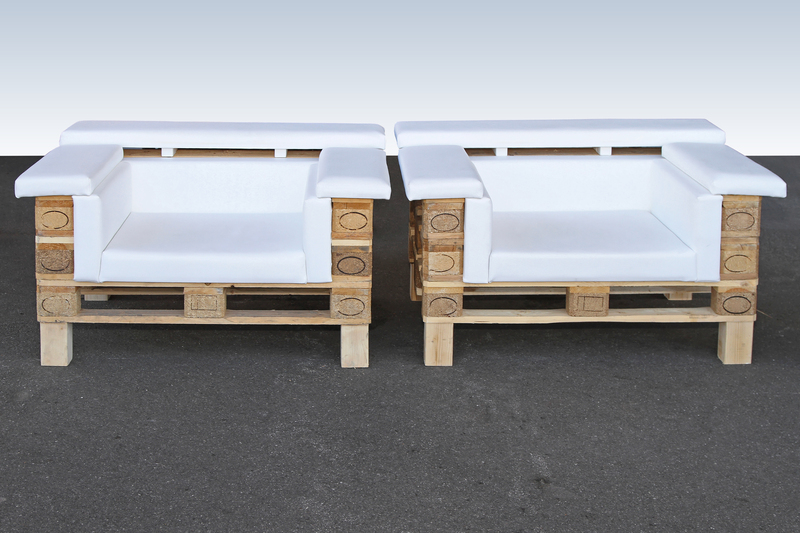
- Furniture - Cardboard armchairs, tables, and shelving are lightweight, sturdy, and eco-friendly.
- Eco-friendly insulation - Shredded cardboard offers good thermal properties for small buildings and shipping containers.
- Creative art and installations - Sculptors and designers have made entire exhibitions out of disposed packaging.
Challenges & Next Steps in Revolutionizing Packaging and Cardboard Disposal
Overcoming Roadblocks
- Contamination - Food residue, grease, or plastics mixed with cardboard can render it non-recyclable. Education and better labeling are key to improving this statistic.
- Accessibility - Not all communities have curbside recycling or access to industrial composting. Advocating for expanded infrastructure is essential.
- Economic incentives - Businesses may require tax breaks, grants, or support to switch to sustainable packaging or invest in recycling technology.
The Importance of Ongoing Innovation
As consumer expectations grow and regulatory pressure mounts, ongoing investment in disposal and recycling technology will be absolutely critical. Innovations like:
- Water-resistant cardboard coatings that do not hinder recycling.
- Biodegradable glues and tapes that allow the entire package to compost.
- Smart labeling to help consumers separate mixed-material packaging correctly.
These solutions can make disposing of packaging and cardboard much more sustainable for everyone involved.
Conclusion: Toward a Cleaner, Greener Future
Revolutionizing how we dispose of packaging and cardboard is more than a trend--it is an environmental necessity. By adopting eco-friendly disposal methods, embracing new technology, and changing consumer and business behavior, we can dramatically reduce waste, conserve resources, and protect our planet for future generations.
Whether you're an individual flattening your recycling, a business exploring innovative packaging, or a policymaker advocating for systemic change, everyone holds a piece of the solution. The journey toward sustainable packaging and responsible cardboard disposal is well underway--are you ready to be part of the revolution?
The time to change the future of packaging and cardboard disposal is now. Together, we can make landfill waste a relic of the past and build a circular economy that values every box, carton, and package--for now and forever.